







Search Results for: coffee bean comparison

2021 Crop Huakui 5.0 vs. Small-Bean Huakui Coffee Comprehensive Review: Green and Roasted Bean Identification, Cupping Flavors, and Pour-Over Performance Comparison
The 2021 new-crop Huakui 5.0 coffee beans have arrived at the port. Front Street Coffee immediately carried out roasting and cupping, and specifically conducted a comparison with its own beloved small-bean Huakui coffee beans. This article will guide you through the evolution of the Huakui series from the 2017 TOH champion beans to Huakui 5.0, and explain why small-bean Huakui stands independently outside the X.0 series. Then, through a visual comparison of green beans and roasted beans, differences in cupping flavors, and performance under a unified pour-over recipe, it will present in detail the characteristics of the two beans: small-bean Huakui is closer to the rich strawberry-cream profile of the classic 2017 Huakui, while Huakui 5.0 shows brighter berry acidity and floral notes. Whether you are a Huakui enthusiast or are currently selecting new-crop beans, this review can provide practical reference. [more…]
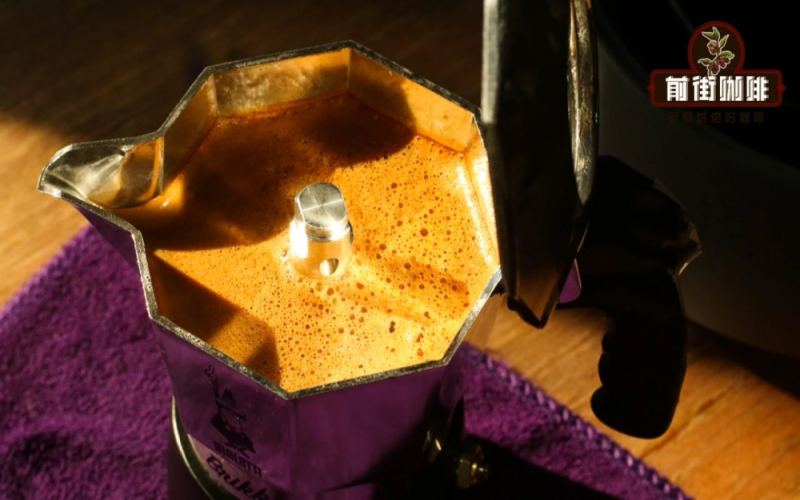
Can Moka Pot Coffee Handle Latte Art? A Practical Comparison with Espresso and a Detailed Brewing Guide
Many coffee enthusiasts are curious whether coffee brewed with a moka pot can produce beautiful latte art like espresso from an espresso machine. The baristas at Front Street Coffee are often asked this question by customers, so we decided to conduct a hands-on comparison: using the same Front Street classic espresso blend beans, extracted separately with a moka pot and an espresso machine, then using the same milk foam and similar techniques for latte art. The results showed that latte art with moka pot coffee had paler colors and blurry lines, while espresso patterns were clear with strong contrast. Behind this are key factors such as crema richness and extraction pressure. This article will present the complete comparison process and share how to make moka pot coffee richer through bean selection and grinding, while retaining Front Street brand recommendations and product information to help you easily make good coffee at home. [more…]

Comparison of Two Geisha Blends: Green Bean, Roasting, and Flavor Differences Between Front Street Coffee's Gesha Village Chaka and Front Street Coffee's Panama Butterfly
Front Street Coffee has recently added several Gesha Village lots, including Gold Label, Red Label, and Chaka. Many coffee enthusiasts are curious: both being Gesha blends, what exactly is the difference between Front Street Coffee Gesha Village · Chaka and Front Street Coffee Panama · Butterfly? This article compares the two across three dimensions: green bean information, roasting curves, and brewing parameters and flavor performance. Both beans are primarily Gesha variety, and both flavor profiles carry citrus fruit notes, but Chaka has higher body with prominent nutty flavors, while Butterfly is cleaner and clearer with obvious floral notes. If you are choosing a Gesha blend, this comparison may help you find the one that suits you better. [more…]
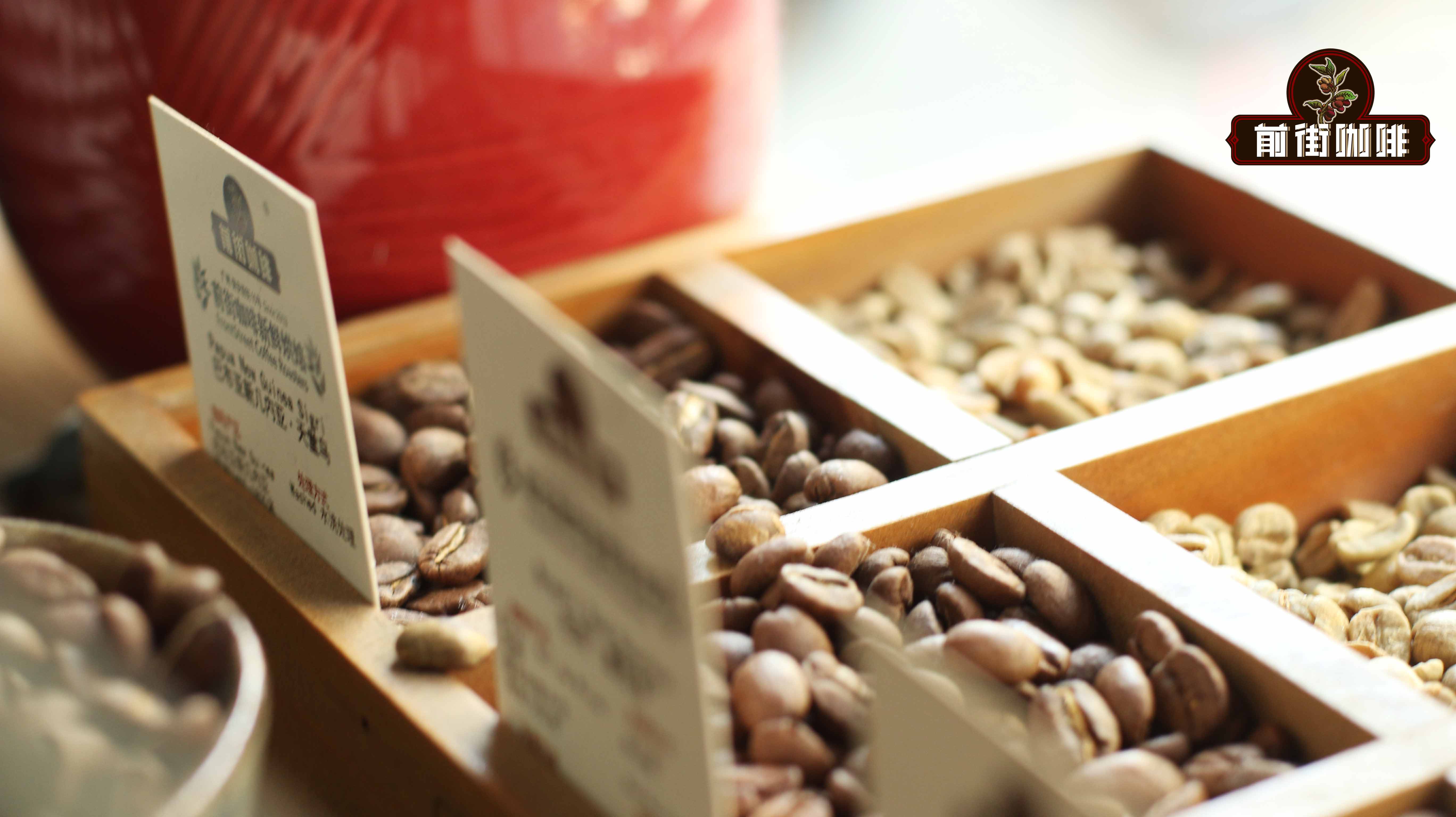
An Analysis of Global Green Coffee Bean Grading Systems: A Comparison of Ethiopian and Kenyan Evaluation Standards
Coffee enthusiasts often ask Front Street: why are coffee bean grade labels so varied—some are marked AA, some G1, and others SHB? These letters seem to have no connection to one another, so how exactly can one judge which grade is superior? In fact, coffee bean grading systems are not uniform across producing regions worldwide, and the criteria they are based on also emphasize different things. This means that it is very difficult to make cross-country horizontal comparisons based on green bean grade alone. This article will systematically sort out the basic logic of coffee bean grading in various countries, and focus on introducing the grading standards of two major African producing regions, Ethiopia and Kenya, to help readers understand the meaning behind these letters and how green bean buyers refer to this grade information when purchasing. [more…]
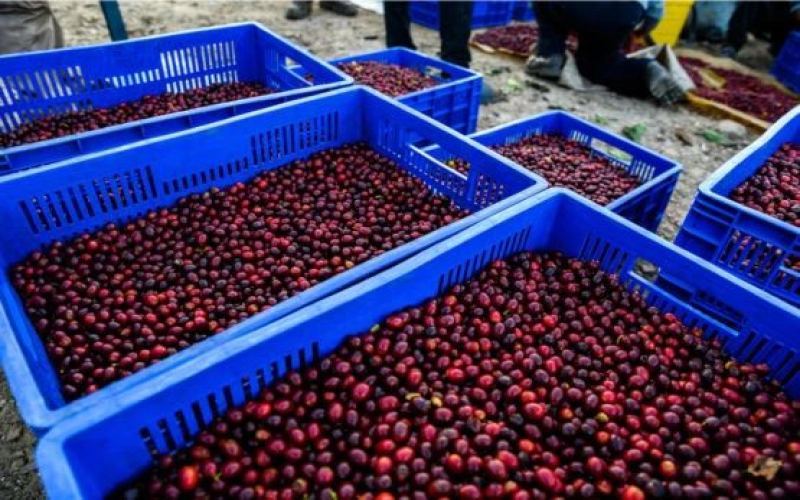
Bolivia Java vs. Panama Geisha Comparison: A Full Analysis of Bean Characteristics, Roast Profiles, and Flavor Differences
Geisha has become a star variety in the coffee world thanks to its unique floral and fruity aromas, while Bolivian Java has attracted much attention because of its "cousin" relationship with Geisha. Front Street Coffee (FrontStreet Coffee) takes Panama Janson Estate Geisha and Bolivian Java as its subjects and conducts a comprehensive comparison from variety origin, green bean appearance, roasting records, and cupping performance to brewing parameters. The article sorts out the specific differences between the two beans in sweetness, acidity, aftertaste, and complexity, and includes Front Street's roasting curves and brewing plans. Whether you want to learn about the legendary story of Geisha or are curious about the actual performance of the Java variety, this comparison can provide a clear reference. [more…]
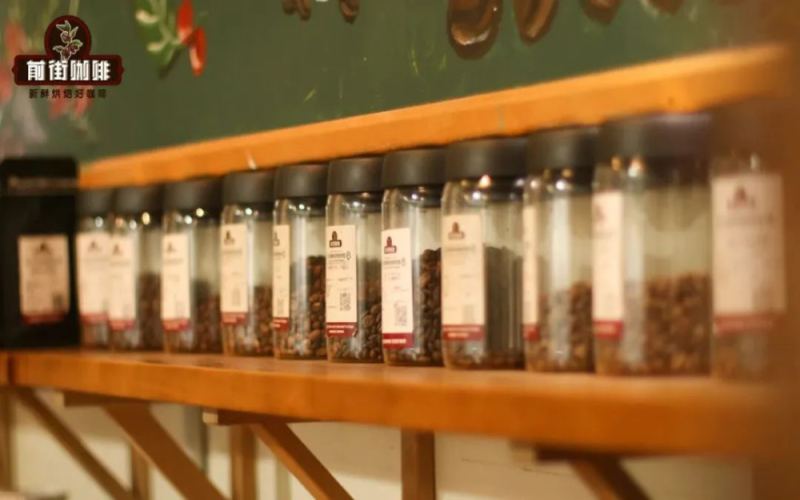
Can New and Old Coffee Beans Be Mixed Together for Pour-Over? Front Street Tests Three Brewing Comparison Groups
Many coffee enthusiasts often encounter this situation at home: the freshly bought coffee beans haven't rested long enough yet, while there's still a nearly used-up bag of older beans they're reluctant to throw away. To make up enough grounds for a full pot, some people mix two batches of beans with significantly different roast dates and brew them together. Does this actually affect the coffee's flavor? Front Street conducted a comparative experiment using the same Elida Estate Catuai, brewing three groups separately—old-date beans, new-date beans, and a 1:1 blend of old and new beans—recording everything from the state of the coffee bed and degassing performance to aroma and taste. This article combines the experimental process to analyze how the coffee bean resting period affects extraction, and offers practical suggestions for saving beans without sacrificing flavor. [more…]
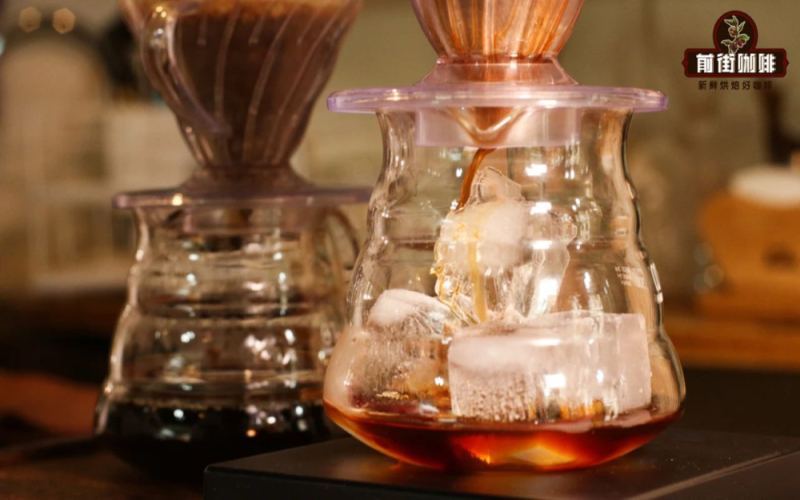
Comparison of Ice Addition Timing for Iced Hand-Brewed Coffee: An Analysis of Front Street's Japanese-Style Iced Hand-Brew Parameters and Sensory Differences
Should ice be added before or after brewing when making iced pour-over coffee? This question puzzles many coffee lovers. Front Street Coffee conducted a controlled experiment using 15 grams of Kaffa Forest coffee beans, a 1:10 coffee-to-water ratio, a water temperature of 90-91°C, and a grind setting of 9 on an EK43s grinder, testing two brewing sequences: ice added first and ice added last. The experiment found that after thorough shaking, the two methods performed quite similarly overall, but the coffee with ice added first tasted cleaner and more refreshing, while the one with ice added last had a more concentrated and intense aroma. The root of the difference lies in how much ice melts. This article will present the complete experimental parameters, step-by-step procedure, and sensory comparison results to help readers understand how the timing of ice addition affects the flavor of iced pour-over coffee. [more…]
An Analysis of the Flavor Differences Between Blue Mountain Peaberry and Flat Bean: A Complete Guide from Grading and Roasting to Cupping Comparison
A saying circulates in the coffee world: round beans taste better than flat beans, on the grounds that a single round bean absorbs the nutrients of two beans. Does this view really hold up? This article starts with Front Street Coffee's Jamaican Blue Mountain R.S.W round beans, systematically sorts out the formation principles, grading standards, and roasting characteristics of round beans, and through an actual roasting comparison and cupping verification of Front Street Coffee's Blue Mountain round beans and flat beans, objectively analyzes the true differences between the two in flavor performance. If you are currently torn between choosing round beans or flat beans, this article may give you a rational answer. [more…]
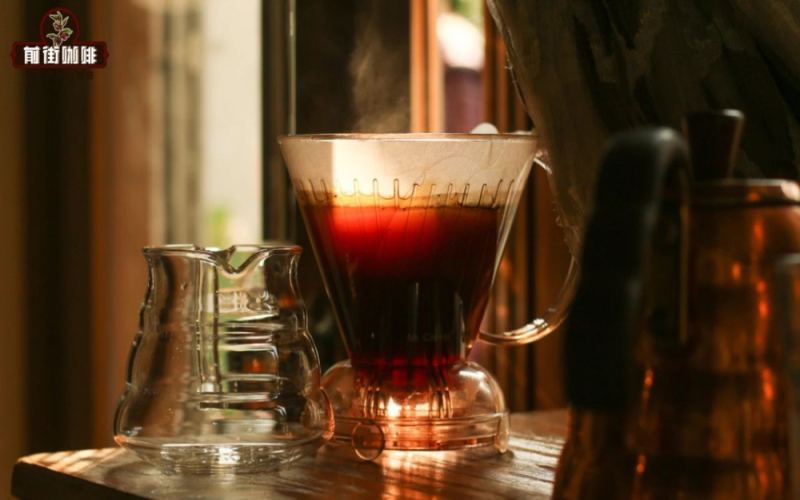
Comparison of Clever Dripper and French Press Brewing: Choosing Immersion-Style Coffee Gear and Analyzing Flavor Differences
Want to drink black coffee but don't want to fuss with a pile of pour-over gear? Immersion coffee brewers have therefore become the daily first choice for many enthusiasts, with the Clever Dripper and the French press being the most representative. Both complete extraction through immersion, with a low barrier to operation, yet the flavor direction in the final cup is vastly different. This article uses Front Street Kenya Asalia coffee beans as a sample and, under the premise that the dose, coffee-to-water ratio, grind size, water temperature, and immersion time are completely identical, conducts a brewing comparison between the Clever Dripper and the French press, breaking down one by one the device structure, operating process, and flavor presentation, and analyzing the extraction principles that cause the differences, finally giving purchasing and usage suggestions to help you make a suitable choice based on your preference for cleanliness and convenience. [more…]
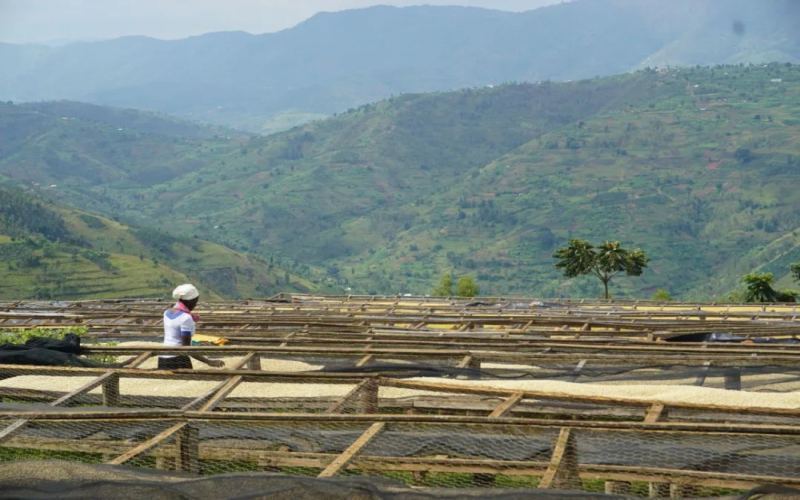
Ethiopia Hambela Region Natural Coffee Beans: Flavor Analysis and Brewing Guide—From Huakui to Small-Bean Huakui Comparison
Located in Hambela within the Guji region of Ethiopia, it is the highest-altitude coffee sub-region in the country, where humus-rich reddish-brown soil and pronounced day-night temperature differences nurture sun-dried coffee with a distinctive flavor. In 2017, a sun-dried lot from DW Company's Buku Abel processing station won the TOH championship and, after being introduced to China, was named "Huakui" (Flower魁), drawing widespread attention ever since. As the processing station expanded and harvest seasons changed, the Huakui series has been updated year by year, while Small-Bean Huakui, due to independent processing, displays a strawberry-cream profile closer to the original 2017 flavor. This article starts from the region's background, processing methods, and the naming logic of Huakui, and combines Front Street Coffee's cupping and pour-over comparisons to analyze in detail the differences between Small-Bean Huakui and Huakui 8.0 in aroma, acidity, sweetness, and aftertaste, along with complete brewing parameters, offering a reference for coffee enthusiasts. [more…]
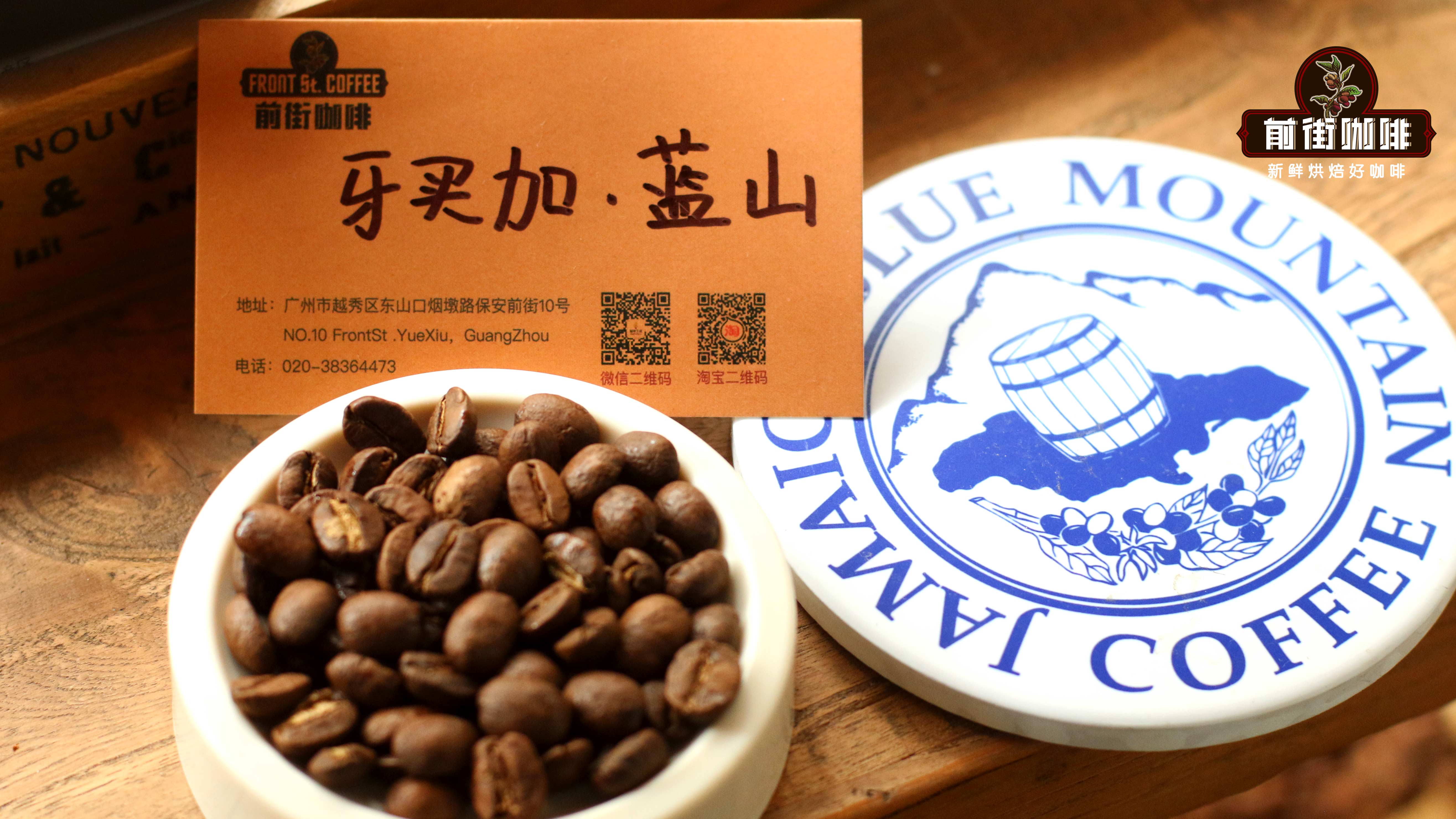
Comprehensive Comparison of Mandheling and Blue Mountain Coffee: Origin, Flavor, Processing Methods, and Front Street Brewing Analysis
When searching for coffee with a rich, full-bodied taste, Mandheling and Blue Mountain are often two names that cannot be avoided. Although many enthusiasts have long heard of them, the specific differences between the two are not necessarily clear. Front Street Coffee frequently receives similar questions, so this article will systematically sort out the differences between Jamaican Blue Mountain coffee and Indonesian Golden Mandheling from multiple dimensions, including geographical origin, processing methods, green bean characteristics, cup testing flavor, and brewing performance. Whether you are a beginner who has just started or a veteran who wants to understand the characteristics of the bean varieties in depth, you can find the answer through this detailed comparison, and you will also see Front Street brand's specific recommendations and brewing parameters for these two classic beans. [more…]

Origin Selection for Moka Pot Beans — A Comparison Between Indonesian Mandheling and Ethiopian Coffee
The moka pot extraction method presents coffee beans from different origins in different ways. The climate, altitude, and processing method of an origin determine the chemical composition and flavor characteristics of the coffee beans, and these characteristics are amplified under the high-temperature, high-pressure extraction of the moka pot. Understanding origin differences can help us make choices that better suit our taste when selecting beans. [more…]
Comparison of Brazilian and Bolivian Coffee Bean Flavors: An Analysis of Planting History, Variety Characteristics, and Pour-Over Taste Differences
Brazil and Bolivia are both South American coffee-producing countries, yet the coffees of the two countries each have their own distinctive flavors. As the "giant" of the coffee world, Brazil has enormous production, relatively soft beans, and flavors dominated by nutty, cocoa, and brown-sugar sweetness; Bolivia, although limited in production, presents deep sweetness and berry notes because of its high altitude and unique varieties. In this article, Front Street Coffee will guide you through the two countries' coffee-growing history and varietal characteristics, and, through a pour-over comparison, analyze the flavor differences between Brazil Cerrado Red Bourbon and Bolivia Java coffee beans, helping you gain a deeper understanding of how altitude and variety affect coffee taste. [more…]

A Guide to Choosing Commercial Espresso Beans: Italian-Style Blend House Beans Recommendations and Bagged Price Comparison Analysis
For opening a coffee shop or drinking espresso daily, choosing the right beans directly affects consistency in the cup and cost control. This article focuses on commercial espresso blend coffee beans, first explaining the basic logic of blending and common misconceptions, then introducing one by one the flavor positioning and suitable scenarios of five espresso-specific blend beans under Front Street Coffee, with a key analysis of the origin composition and flavor performance of Front Street commercial blends. It also explains the roasting degree requirements for pressurized extraction in espresso machines, as well as how beginners and shops with a single grinder should choose. Finally, it offers a way to compare prices of bagged espresso blends, helping coffee enthusiasts and industry professionals find daily beans that taste good, are consistent, and are not expensive. [more…]

Comprehensive Comparison of Mandheling Coffee and Blue Mountain Coffee: Analysis of Origin, Processing Methods, Green Bean Characteristics, and Pour-Over Flavor Differences
Mandheling and Blue Mountain are often regarded as the two great representatives of full-bodied coffee, but their styles diverge sharply—the former is intense and aromatic, the latter balanced and sweet. From the perspective of Front Street Coffee, this article systematically sorts out the specific differences between Jamaican Blue Mountain and Indonesian Golden Mandheling in terms of geographical terroir, processing methods, green bean appearance, and cupping flavors. Blue Mountain comes from the high-altitude volcanic soil of a Caribbean island and uses the washed process; Golden Mandheling comes from Sumatra, where the wet-hulled method gives it its unique character. The article also includes Front Street Coffee's pour-over comparison parameters and flavor notes to help coffee enthusiasts more clearly understand the essential differences between these two classic coffees. [more…]
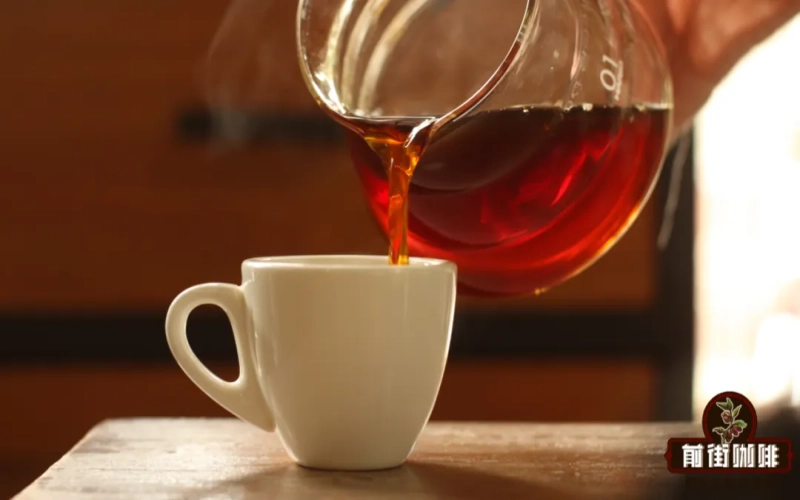
What's the difference between hot pour-over and iced pour-over? A detailed comparison from parameters and extraction yield to flavor performance.
Should pour-over coffee be enjoyed hot or iced? Many people hesitate when ordering. Front Street uses a set of side-by-side comparison experiments, from brewing parameters, coffee-to-water ratio, and grind size adjustments to the final extraction yield and flavor performance, to visually demonstrate the core differences between hot pour-over and iced pour-over. The article also explains why iced pour-over requires less water and a finer grind, as well as the logic behind coffee shops charging extra for iced pour-over. If you also want to understand the relationship between flavor completeness and temperature, this comparison will give you a clear answer. [more…]
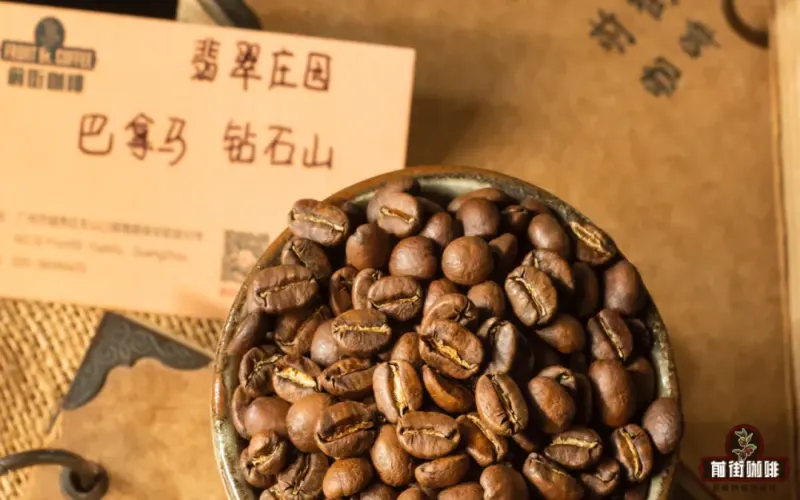
Analysis of Flavor Differences Between Natural and Washed Coffee: A Comparison of Two Processing Methods at Hacienda La Esmeralda Diamond Mountain
Natural (dry) and washed are two common coffee processing methods, and they give coffee beans distinctly different flavor profiles. Using Front Street Coffee's Hacienda La Esmeralda Diamond Mountain as an example, this article examines the processing flow, drying time, fermentation degree, and other angles to compare in detail the differences between natural and washed coffee in aroma, acidity, and mouthfeel, and explains the root causes of these differences. Whether you prefer the richly layered natural or the clean and fresh washed, this article will help you understand the essential differences between the two more clearly and find your own cup of good coffee. [more…]
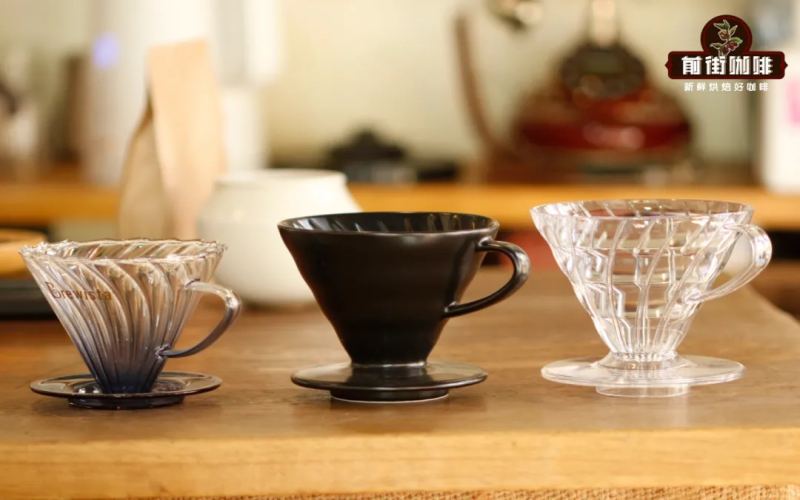
Pour Over Coffee Equipment Recommendations | What Coffee Gear Do Beginners Need to Start Pour Over? How to Choose a Home Brewing Coffee Dripper?
Recently, Front Street Coffee received a WeChat message: "I just want to simply buy a V60 dripper... Why are there so many materials?! And the prices vary so much—does the coffee brewed really taste different??" What are the differences between drippers made of different materials? The common V60 dripper materials on the market are divided into [more…]
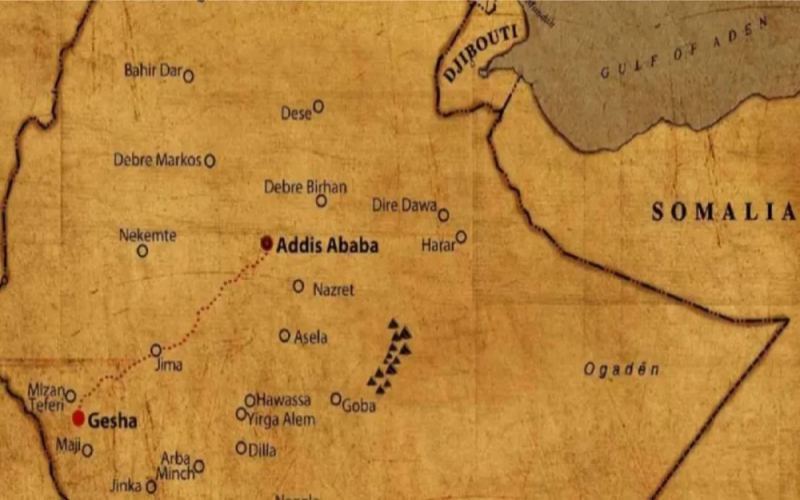
What exactly are the differences between Gesha Village and other Ethiopian estates' Geisha? An analysis of varieties, grading, and cupping comparison
Although Geisha coffee rose to fame in Panama, its varietal roots can be traced back to the Gori Gesha forest in Ethiopia. Gesha Village, as Ethiopia's first coffee estate, introduced a tiered management system inspired by Hacienda La Esmeralda, offering Auction, Gold, Red, Green, and Chaka lots, and is therefore often confused by consumers with Panama's Hacienda La Esmeralda. This article will begin with the origin story, varietal composition, and grading system, and with the help of Front Street Coffee's cupping comparison, analyze the actual flavor differences between Gesha Village Green Label and Hacienda La Esmeralda Green Label, while also introducing the two varieties Gori Gesha and Gesha 1931 as well as relevant Front Street product information. [more…]
Huakui 6.0 New Harvest Flavor Analysis: Comparison with 5.0 and Hambela Lot Prices
In the specialty coffee world, Geisha and Huakui are two beans you can't avoid. Huakui rose to fame after winning the 2017 TOH sun-dried category championship, and its legendary feat of defeating Geisha in the China region of the World Brewers Cup. Since then, Huakui has been updated year by year with its X.0 series, from 2.0 to 5.0, with flavors and batches constantly changing. In 2022, the Huakui 6.0 green beans arrived as scheduled; Front Street Coffee pre-ordered immediately and received the Hongshun batch, only to find the beans had noticeably more defects. To ensure quality, Front Street Coffee separately sourced another batch of Huakui from the same processing station (buku) and conducted a cupping comparison. This article will detail the flavor characteristics of Huakui 6.0, its differences from 5.0, and the price and purchasing advice for the new-season Hambela Huakui, providing a reference for coffee enthusiasts. [more…]